
Field journal · Small-town urbanism journal · Issue VII Holyoke, MA · Spring 2026 · Contact
Main Street Quarterly On the urbanism of small-town America
Issue VII · Five pieces · 2026

Three blocks of brick, and what they still know.

A quarterly journal on the urbanism of small-town America — the towns of under twenty-five thousand people that hold, in their three blocks of historic main street, most of the country's surviving pre-automobile urban fabric. Five long pieces per issue.

Main Street Quarterly — On the urbanism of small-town America
Above — Main Street Quarterly, opening roomsPhotograph: Wikimedia Commons (CC)
42°12'N · 72°36'W Five pieces · Five towns · Five readings Independent · Non-commercial · Reader-funded
In this issue

Five small-town main streets, read closely.

Each piece reads one small-town main street as an urbanistic artefact — what the historic fabric is doing, what the recent decisions have done to it, and what the next twenty years are likely to look like. The towns range from two thousand to twenty-five thousand people.

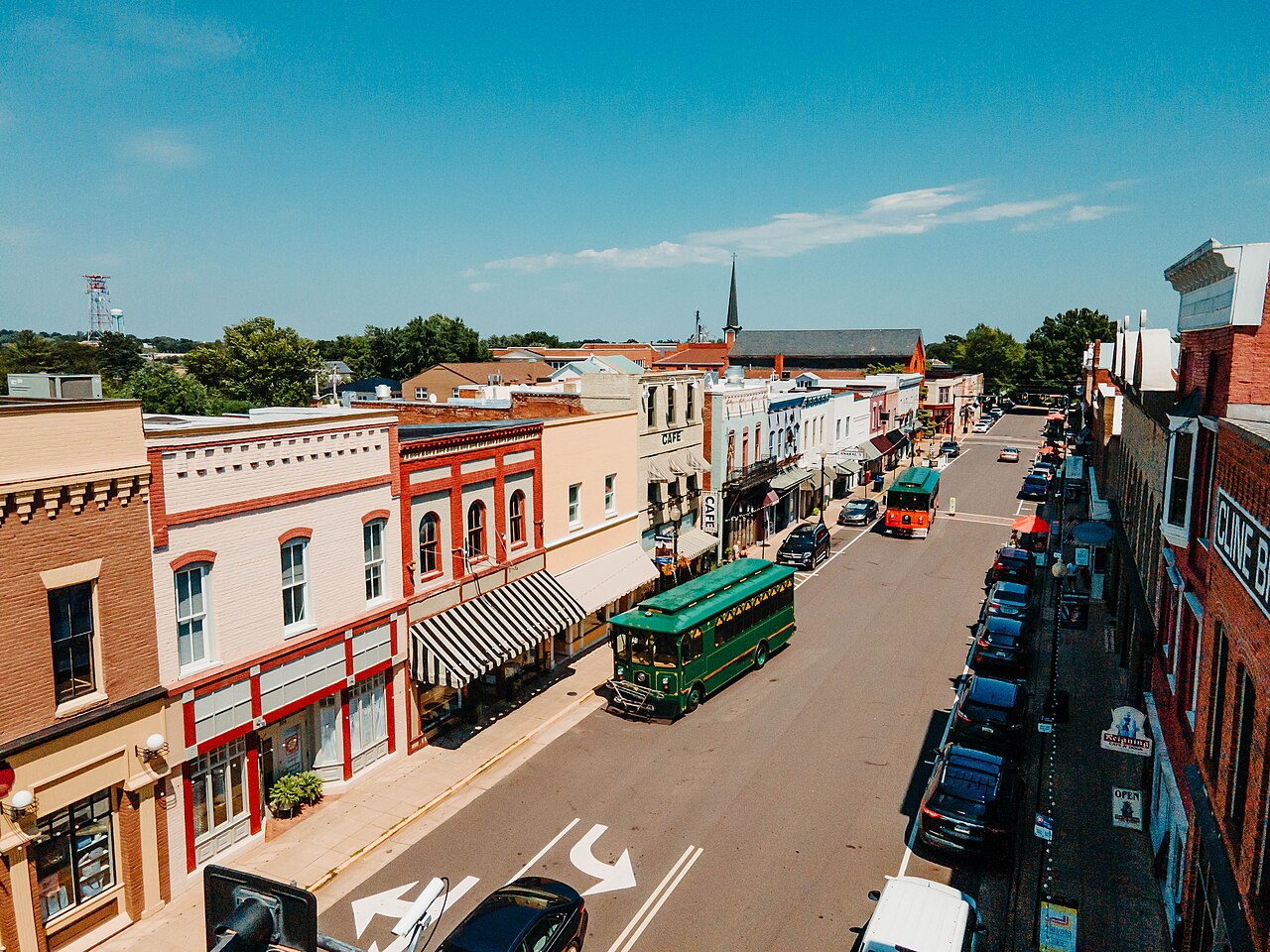
Culpeper, Virginia — the Piedmont courthouse town as a working type
Piece 01 · Culpeper, VA14 min · Piedmont VA

Culpeper, Virginia — the Piedmont courthouse town as a working type

Culpeper, in the Virginia Piedmont sixty miles southwest of Washington, is a small county-seat courthouse town of approximately eighteen thousand people, with three blocks of brick main street arranged along the railway. It is, in my reading, the cleanest surviving example of the Piedmont courthouse-town type in the upper South.

Read the field report →
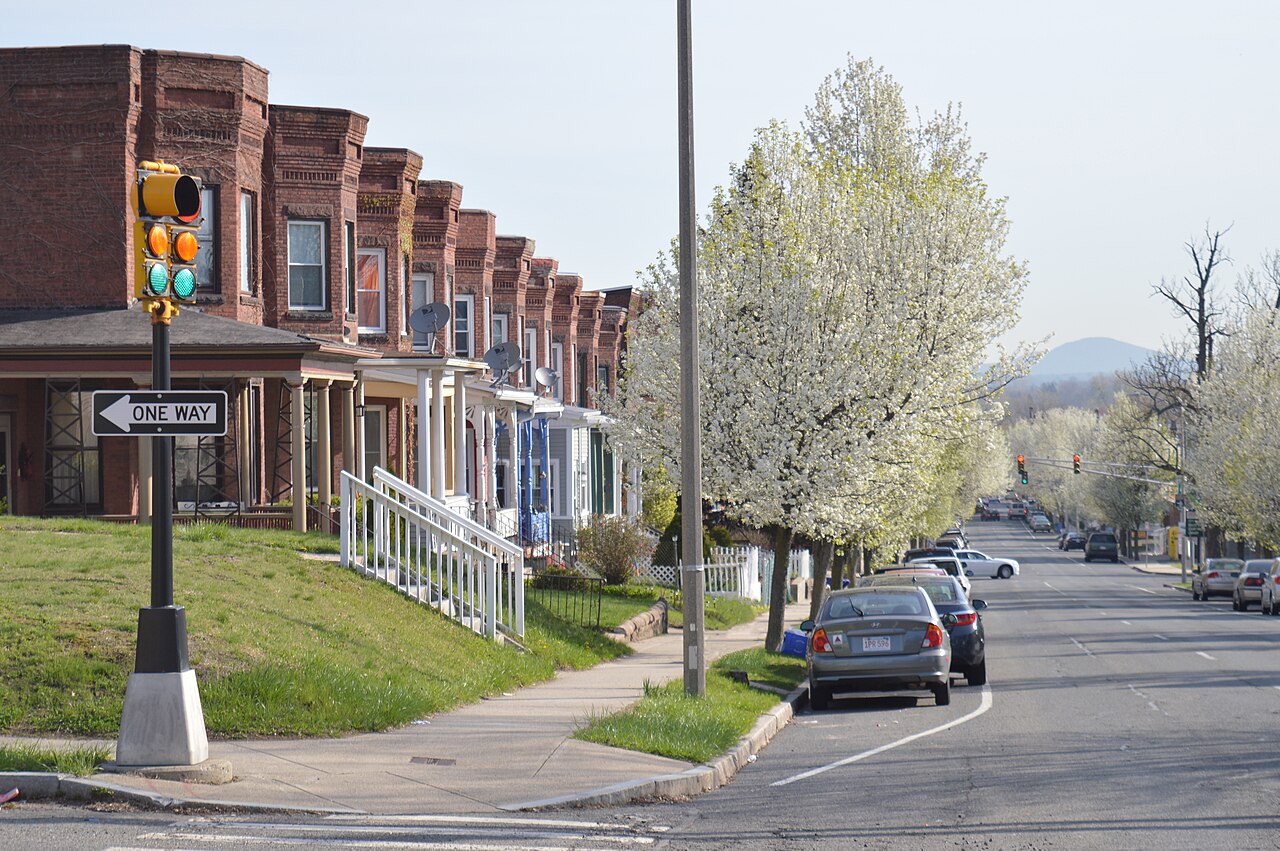
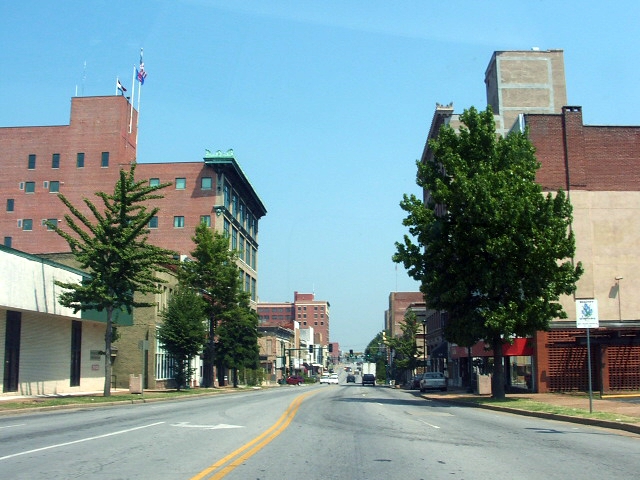
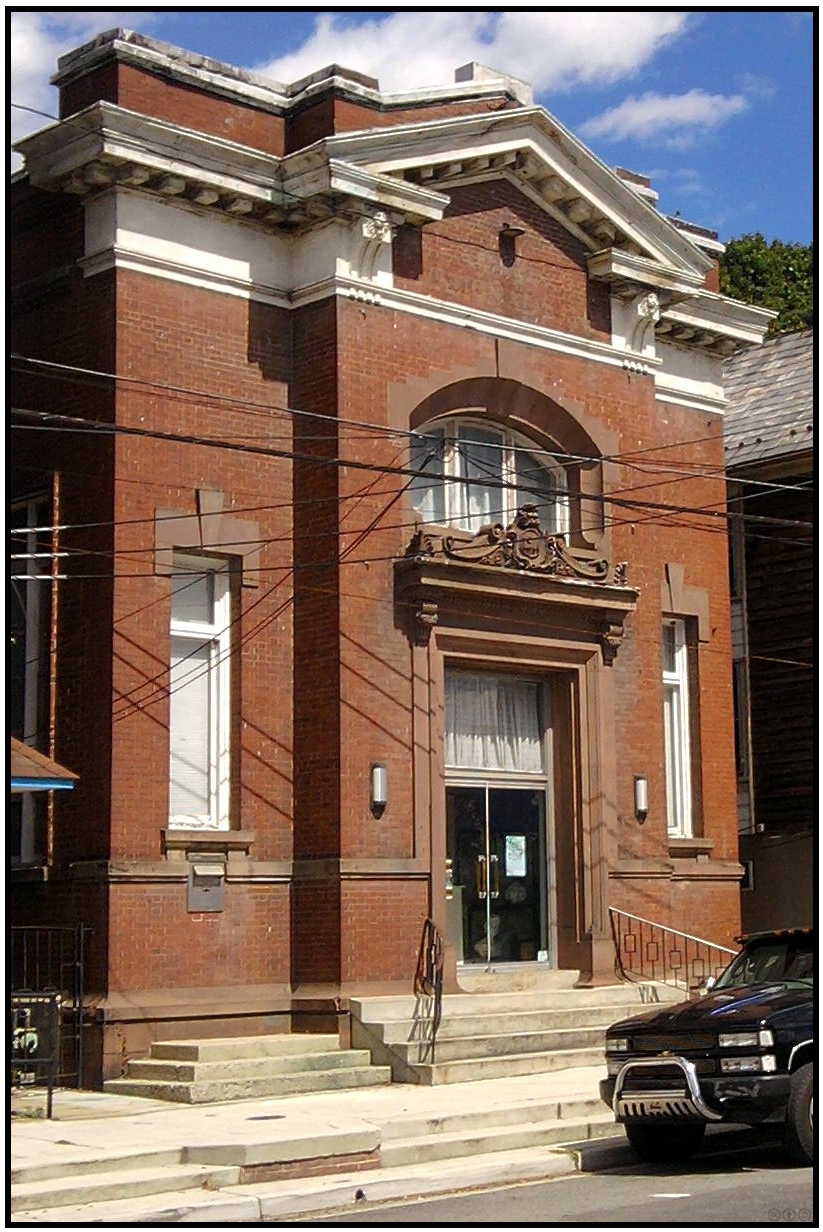
Holyoke, Massachusetts — the industrial small city after the mills
Piece 02 · Holyoke, MA13 min · Pioneer Valley

Holyoke, Massachusetts — the industrial small city after the mills

Holyoke, in the Pioneer Valley of western Massachusetts, was the largest paper-mill city in the United States in 1900 and is, today, a small city of approximately thirty-eight thousand people working through the long transition out of the mill economy. Its High Street — once the great commercial main street of the western Massachusetts uplands — is the central problem.

Read the field report →
Joplin, Missouri — the regional small city as a tornado aftermath
Piece 03 · Joplin, MO12 min · Missouri Ozarks

Joplin, Missouri — the regional small city as a tornado aftermath

Joplin, in the southwestern Missouri Ozarks at the corner of four states, was the regional small city of the Tri-State zinc-mining district from the 1870s through the 1950s. The 2011 tornado destroyed a third of the city in a single afternoon. The fifteen-year rebuild is, in my reading, the most instructive recent case study in small-city disaster urbanism in the country.

Read the field report →
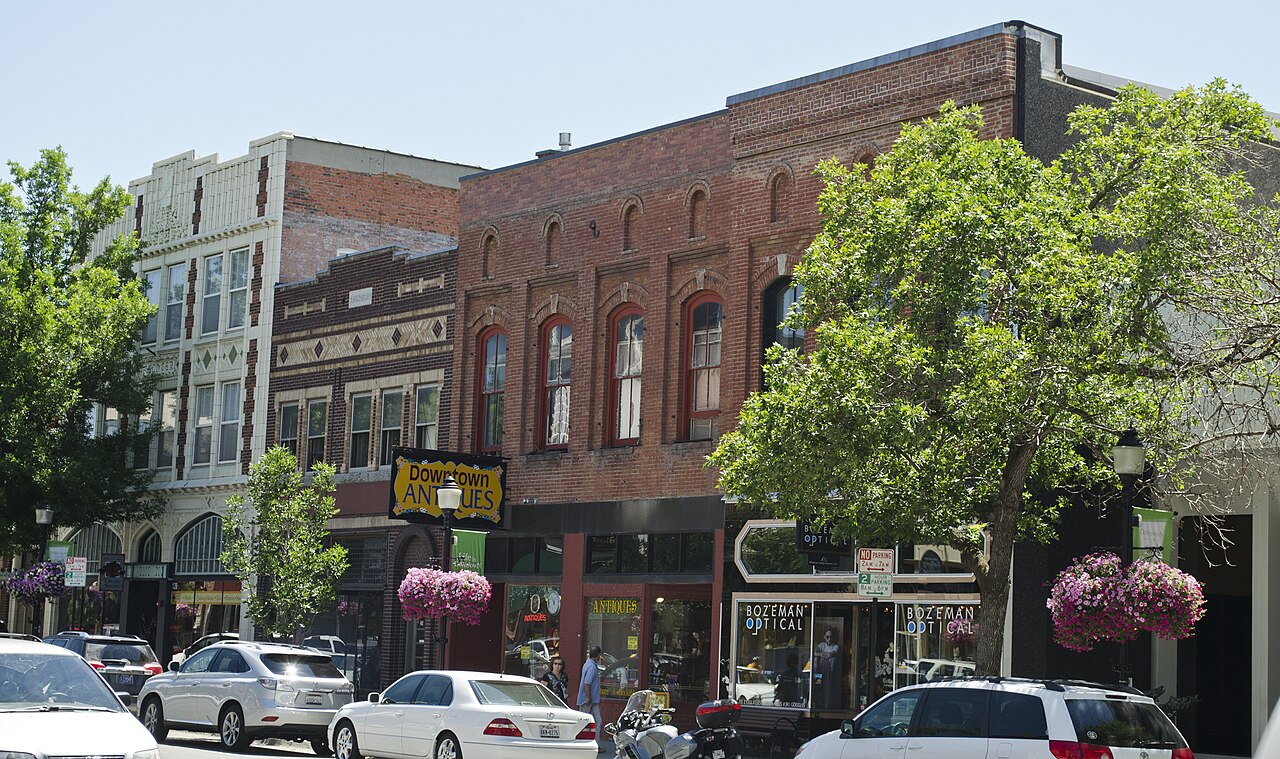
Bozeman, Montana — the small mountain city under growth pressure
Piece 04 · Bozeman, MT13 min · Gallatin Valley

Bozeman, Montana — the small mountain city under growth pressure

Bozeman, in the Gallatin Valley of southwestern Montana, is the fastest-growing small city in the American West. Its historic Main Street is, by national standards, an exceptionally intact 1900-1920 brick streetscape; the surrounding growth is, by the same standards, exceptionally aggressive. The tension is, for the small-city urbanist, the central question.

Read the field report →
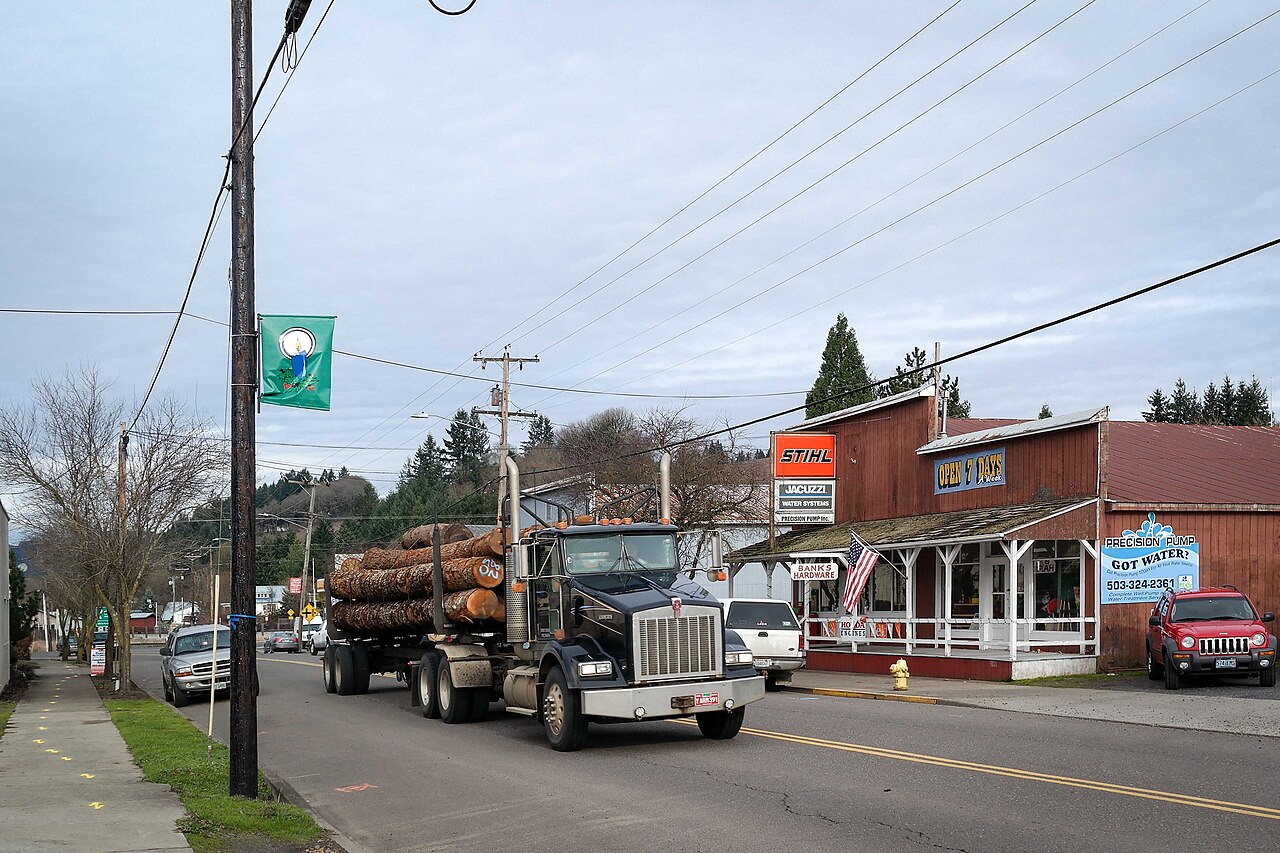
Banks, Oregon — the two-thousand-person town as a settled state
Piece 05 · Banks, OR11 min · Oregon Coast Range

Banks, Oregon — the two-thousand-person town as a settled state

Banks, in the eastern foothills of the Oregon Coast Range thirty miles west of Portland, is a town of approximately two thousand people. It has, on its three-block main street, almost nothing that could be called notable urbanism. The piece is about what it means for a town that small to be a settled, working state rather than a problem to be solved.

Read the field report →
Daniel Pereira
// The author

Daniel Pereira — Urbanist, Holyoke.

Independent urban-planning consultant working with small-town comprehensive-plan committees across New England and the upper Midwest. Author of two books on small-city downtowns. The quarterly is the writing side of the work. More on the project →