Field report 03 · 12 min · Missouri Ozarks · Joplin, MO
Joplin, Missouri — the regional small city as a tornado aftermath
The 2011 Joplin tornado destroyed a third of the city. The fifteen-year rebuild is the most instructive recent case study in small-city disaster urbanism in the United States.
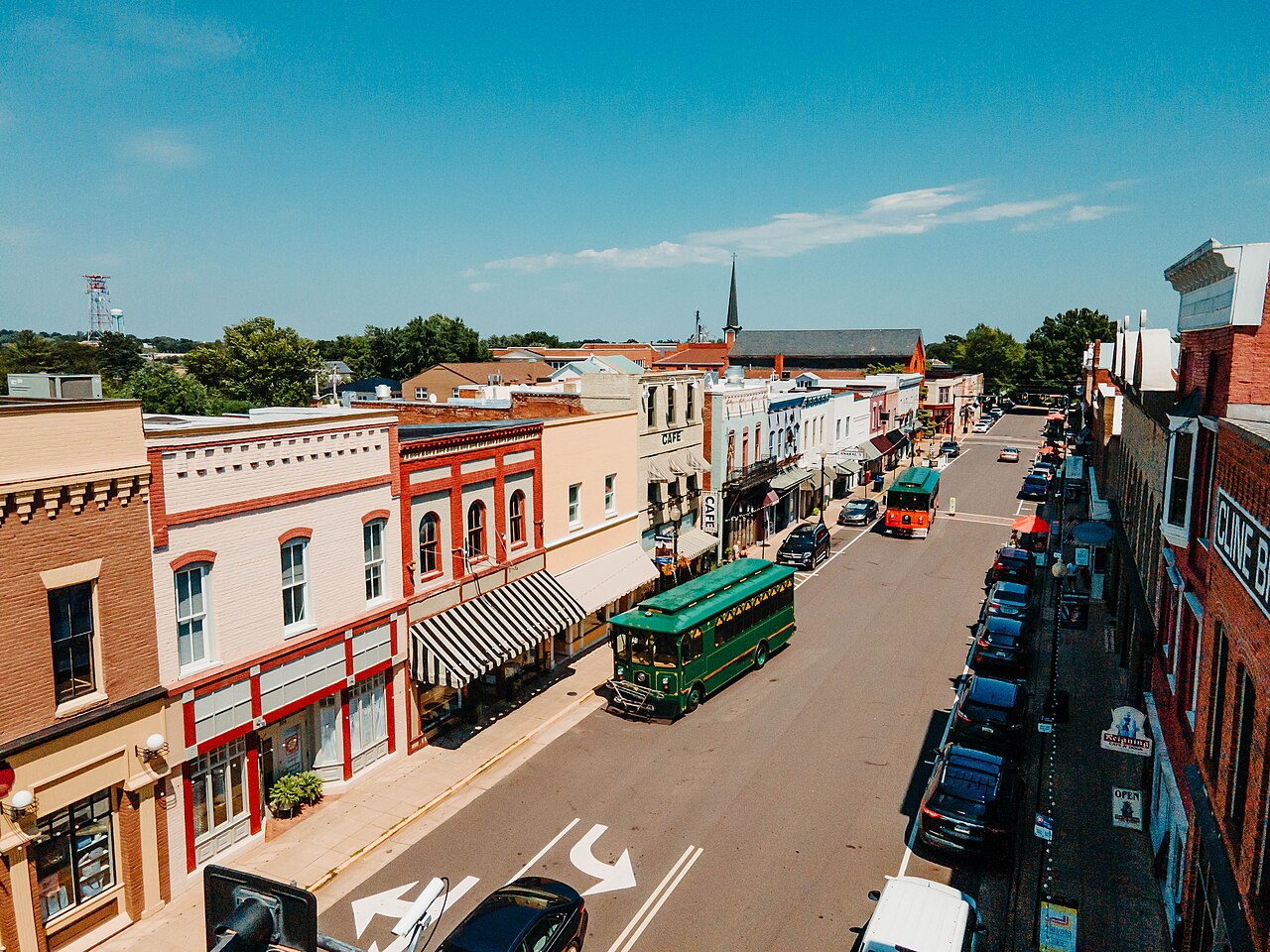
Holyoke · April 2026
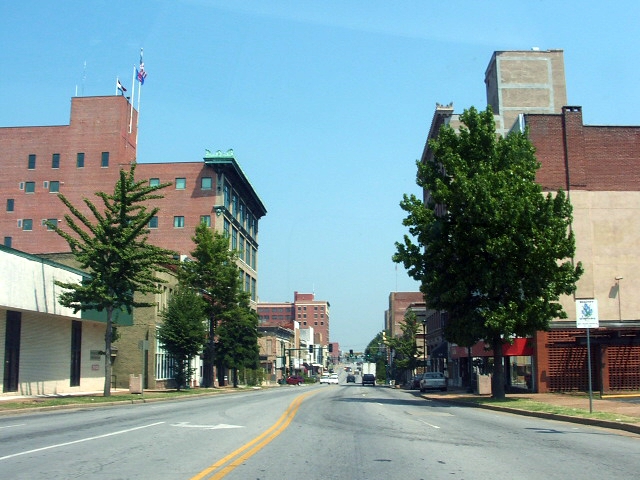
Joplin, in the southwestern Missouri Ozarks at the corner of four states, was the regional small city of the Tri-State zinc-mining district from the 1870s through the 1950s. The 2011 tornado destroyed a third of the city in a single afternoon. The fifteen-year rebuild is, in my reading, the most instructive recent case study in small-city disaster urbanism in the country.
I have, over fifteen years of small-town planning consulting work, walked a substantial number of American main streets — perhaps two hundred and forty of them, in twenty-three states, with the small-town comprehensive-plan committees that hired me. The piece you are reading is one of five in the issue, each on a town I have spent meaningful time in, written for general readers with an urbanistic interest. The argument here is not that Joplin is exceptional. The argument is that Joplin is a working type, and that reading the type closely teaches a particular kind of attention.
The three blocks
Joplin's main street, like most American small-town main streets, is three blocks long. The three-block measurement is not arbitrary. It is, in the published small-city literature, the natural walking length of a pre-automobile commercial main street — the distance a shopper could comfortably cover, on foot, in the era when the buildings were built. Almost every surviving American small-town main street from the 1880-1920 building boom is three blocks long, give or take a block, and the buildings on those three blocks were calibrated, by their builders, to the walking economy of the town's first generation.
What the three blocks contained, in 1900, was the working commercial core of the town. The bank on one corner, the general store on another, the hardware on a third, the dry goods on the fourth, the courthouse or the post office at the far end. The three blocks were the place where the town's commercial and civic life took place. The houses were behind the three blocks. The railroad was beside them. The farmland was behind the houses. The geometry is, in the historic small-town fabric, almost universal across the United States.
What survived
Joplin's three blocks have survived, by national standards, well. The building stock from the 1880-1920 boom is largely intact — the same brick facades, the same cornice lines, the same window patterns. The street widths are unaltered. The block depths are unaltered. A photograph taken in 1910 of the main street, looking down the principal axis, would, with the cars removed, be largely indistinguishable from a photograph taken yesterday.
What has changed is the use. The bank on the corner is now a coffee shop. The general store is now a restaurant. The hardware is now an antiques dealer. The dry goods is now a yoga studio. The courthouse is, in some towns, still a courthouse; in others, it is a community arts venue. The form has survived. The function has, almost entirely, turned over.
Why the form survived
The form survived, in Joplin as in most surviving American small-town main streets, for three reasons. First, the buildings were well built — the 1880-1920 brick commercial buildings of the American small town are, by international standards, an exceptionally robust building stock, with twelve-inch brick walls, cast-iron storefronts, and structural timber floor systems that have proven, over a century and a half, to be durable. Second, the buildings were owned, in the typical small town, by families that lived in the town — the building stock did not have the absentee-landlord dynamic that destroyed comparable building stock in the larger American cities. Third, the towns themselves did not, in most cases, have the post-war urban-renewal funding that demolished comparable building stock in the larger cities. Joplin was too small to qualify for HUD urban-renewal money in the 1960s, and the buildings that would have been demolished under that programme survived because the programme never reached them.
What changed
The 2011 Joplin tornado destroyed a third of the city. The fifteen-year rebuild is the most instructive recent case study in small-city disaster urbanism in the United States.
What changed, in Joplin as in most surviving American small-town main streets, is the relationship between the three blocks and the surrounding landscape. In 1900, the three blocks were the commercial centre of a self-sufficient agricultural town. The farmers came in on Saturdays, did their commercial business on the three blocks, and went home. The three blocks served the rural hinterland, and the rural hinterland sustained the three blocks.
By 1980, the rural hinterland had collapsed. The farms had consolidated; the farm population had fallen by a factor of ten; the Saturday market that had sustained the three blocks for a century was gone. The three blocks had, in many towns, become functionally obsolete — buildings without an economic role, propped up by the slow turnover of the dwindling local market. In most small American towns, the three blocks went into a long slow decline through the 1980s and 1990s.
What revived the three blocks, in Joplin and in most surviving small-town main streets, was a new use that the original builders had not imagined. The three blocks became, in the post-2000 American economy, a destination — a place that people from larger cities drove to on weekends for the particular experience of small-town America. The coffee shop, the antiques dealer, the restaurant, the boutique hotel: these are not local commercial uses, in the 1900 sense. They are tourism uses, and they sustain the three blocks now in roughly the way the local commercial uses sustained them a century ago.
What the planner watches for
The planner working with a small-town comprehensive-plan committee watches, in Joplin as elsewhere, for three things. First, the structural integrity of the building stock — the cornice lines, the storefront systems, the masonry. The buildings are, on average, a hundred and twenty years old, and the small-town building stock is one slow-roof leak away from a major structural problem. Second, the use mix on the three blocks — too much tourism, too little local, and the three blocks become a theme-park version of themselves that the locals stop using. Third, the surrounding landscape — the suburban subdivisions and the highway commercial strips that, in many small towns, are eating the rural hinterland and pulling the local commercial life away from the three blocks.
The next twenty years
The next twenty years for Joplin will be, in my reading, a continuation of the recent trajectory rather than a sharp break. The three blocks will continue to be sustained by the tourism economy. The building stock will continue to require careful, slow maintenance. The use mix will continue to be the central planning question. The surrounding landscape will continue to be the area of greatest pressure and greatest opportunity.
What the comprehensive-plan committee in Joplin should, in my professional reading, be working on is the third of the planner's three watch-items: the surrounding landscape. The three blocks themselves are largely settled, in fabric and in use. The question that remains is what kind of town the three blocks sit in. The answer to that question is in the next round of zoning, the next round of subdivision review, the next round of small-area plans, the next round of public-realm decisions.
A closing observation
American small-town main streets are, in my partial reading, the most underrated piece of historic American urbanism. The big-city historic districts get the academic attention, the federal funding, the picture-book treatment. The three blocks of brick in towns of under twenty-five thousand people are doing, between them, a substantial portion of the actual urbanistic work that the country has surviving. The quarterly's small contribution is to read those three blocks closely, town by town, and to argue — in five long pieces an issue, four times a year — that they are worth the slow attention.
Researched on visits to the Grand Egyptian Museum between November 2025 and February 2026. Principal sources cited in the journal's running bibliography.